History: A Timeless Font with a Touch of Elegance
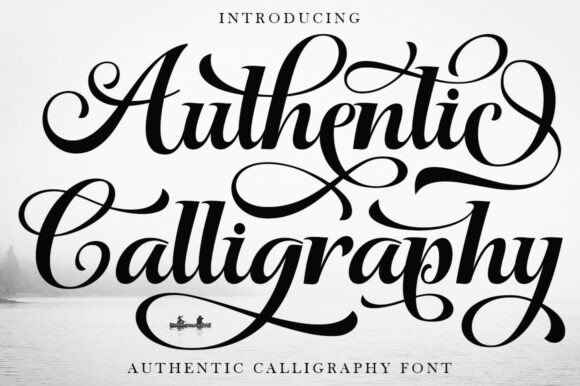
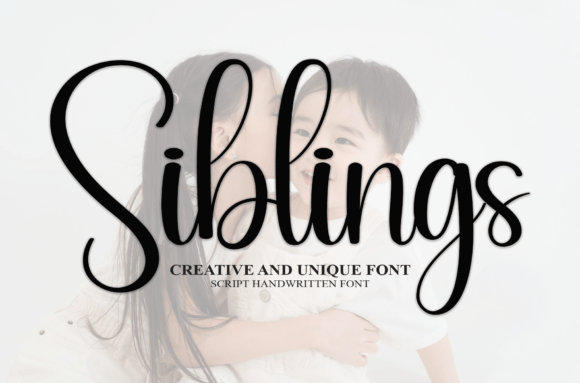
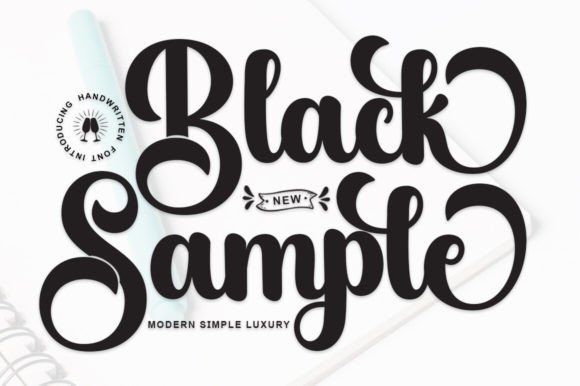
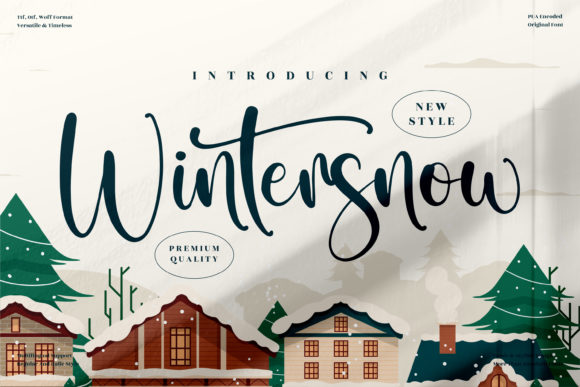
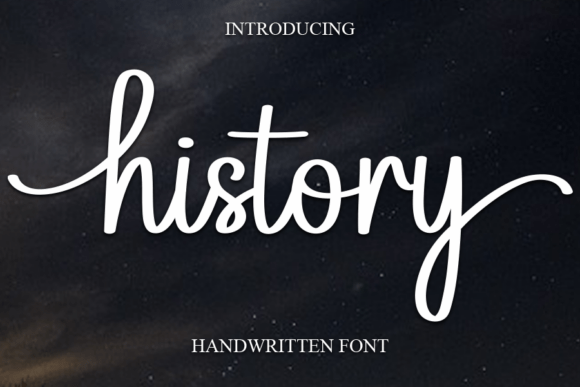
The History font is a beautiful, cursive, and handwritten typeface that brings a sense of warmth and personality to any design. With its gentle curves and flowing lines, it captures the essence of a personal touch, making it an ideal choice for those who want to add a romantic or joyful feel to their projects. Whether you're designing a wedding invitation, creating a brand identity, or crafting a greeting card, History offers a unique way to express creativity while maintaining elegance.
The Origin and Design of History
History was created to evoke the charm of traditional handwriting, blending the beauty of calligraphy with the convenience of digital typography. This font mimics the natural flow of a pen on paper, giving each letter a soft and organic appearance. It’s not just a font; it's a story told through every stroke and curve.
Designed with care and attention to detail, History features subtle variations in thickness and spacing, which give it a handcrafted look. These characteristics make it stand out from more rigid, modern fonts and allow it to fit seamlessly into both classic and contemporary designs.
Key Features of the History Font
- Cursive Style: The flowing, connected letters create a sense of movement and rhythm.
- Handwritten Feel: Each character has a unique texture that resembles actual handwriting.
- Versatile Use: It works well in both small and large formats, making it suitable for a wide range of applications.
- Emotional Appeal: The font adds a personal and heartfelt touch to any project.
Where Can You Use History?
History is incredibly versatile and can be used in various creative fields. Here are some popular applications:
- Wedding Materials: From invitations to thank-you cards, this font adds a romantic and elegant touch.
- Branding and Logo Design: It can help establish a warm and inviting brand image.
- Greeting Cards: Perfect for birthdays, anniversaries, or holiday greetings, History makes your message feel more personal.
- Fashion and Lookbooks: Its stylish yet casual appearance fits well in fashion-related content.
- Marketing and Promotions: Use it to create eye-catching headlines or promotional materials that stand out.
Who Benefits from Using History?
History is particularly appealing to designers, creatives, and business owners looking to add a personal and artistic flair to their work. It's also great for professionals in the following areas:
- Event Planners: For creating custom invitations and event materials.
- Graphic Designers: To enhance the visual appeal of their projects with a unique typographic element.
- Wedding Planners: For designing personalized wedding-related content that feels special.
- Content Creators: To make blog posts, social media updates, or videos more visually engaging.
Strengths and Considerations
History has several strengths that make it a valuable asset in design projects. Its readability is good for short texts, such as headings or captions, but may be less effective for long paragraphs due to its decorative nature. However, when used appropriately, it can elevate the overall aesthetic of a design.
One important consideration is legibility. While History looks beautiful, it may not be the best choice for all types of content. For example, using it for body text in a document might reduce readability. Instead, it works best as a headline or accent font.
Another thing to keep in mind is that History should be paired with other fonts to maintain balance. Combining it with a sans-serif font for body text can create a harmonious and professional look.
Real-World Examples
Imagine designing a wedding invitation. Using History for the main title adds a romantic and personal feel, while a clean sans-serif font can be used for the details like dates and venue information. This combination ensures that the invitation is both beautiful and easy to read.
For a branding project, incorporating History into a logo can create a memorable and unique identity. It gives the brand a sense of authenticity and warmth that can resonate with customers.
In marketing campaigns, using History for headlines can grab attention and make the message more engaging. It helps convey a sense of approachability and creativity, which can be especially useful for businesses targeting younger audiences or those in the lifestyle sector.
Evaluating Suitability for Your Needs
When considering whether History is right for your project, think about the following factors:
- Purpose: Is the font being used for a heading, body text, or something else? Choose accordingly based on readability and aesthetics.
- Audience: Who will be viewing the design? If it's for a younger audience, History can be a great fit. If it's for a more formal setting, consider pairing it with a more traditional font.
- Design Style: Does the font match the overall theme and style of the project? Ensure it complements other elements rather than clashing with them.
It's also helpful to experiment with different layouts and see how History looks in various contexts. Testing it on different backgrounds, colors, and sizes can help determine if it's the right choice for your needs.
Final Thoughts
History is more than just a font—it's a tool that allows you to express emotion, creativity, and personality in your designs. Whether you're working on a personal project or a professional one, this elegant and charming font can bring a unique touch to your work.
By understanding its strengths, limitations, and appropriate use cases, you can make informed decisions about when and how to use History. Ultimately, the goal is to create designs that not only look beautiful but also communicate your message effectively.