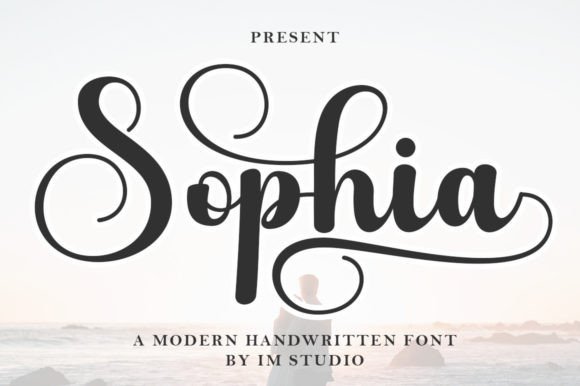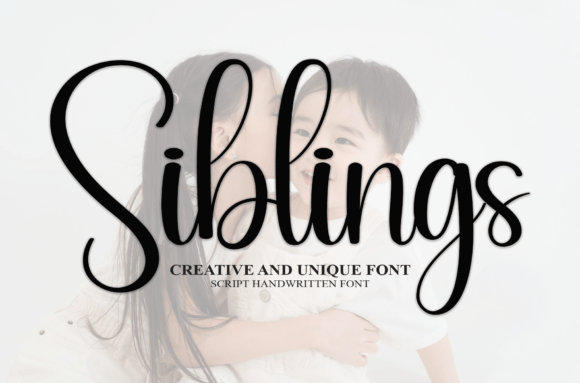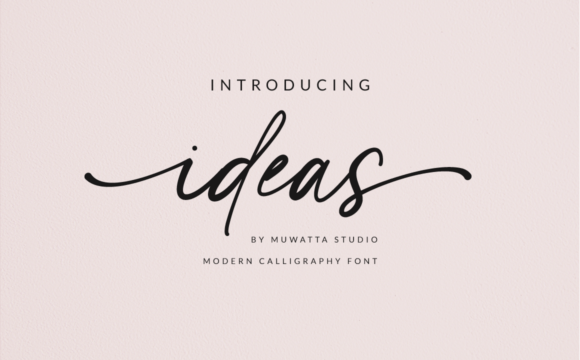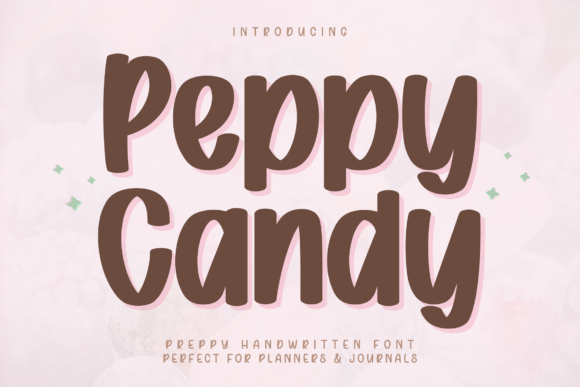
Child Font: A Sweet and Versatile Handwritten Style for Creative Projects
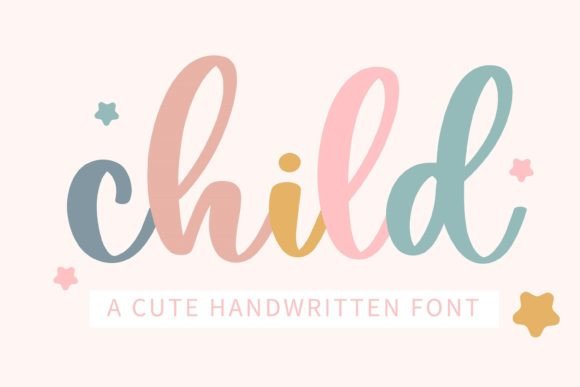
The Child font is a delightful addition to any designer's toolkit, offering a soft, handwritten style that feels personal and approachable. Its gentle curves and playful characters make it ideal for projects that require warmth and charm. Whether you're designing wedding invitations, creating stationery art, or crafting eye-catching social media posts, the Child font can bring a unique touch to your work.
What Makes Child Font Unique?
The Child font stands out for its versatility and ease of use. It captures the essence of a child's handwriting, making it perfect for designs that aim to evoke innocence, joy, and creativity. The font's design is clean yet expressive, allowing it to blend seamlessly with both modern and traditional aesthetics.
- Handwritten Feel: The font mimics natural handwriting, giving your designs an authentic and personal touch.
- Versatility: Suitable for a wide range of applications, from digital to print media.
- Readability: Despite its cursive style, the font remains highly legible, ensuring clarity in communication.
Where Can You Use Child Font?
The Child font is incredibly adaptable and can be used in various creative contexts. Here are some popular uses:
- Wedding Invitations: The font's soft and romantic style makes it perfect for creating elegant and heartfelt wedding invites.
- Stationery Art: From greeting cards to journal covers, the Child font adds a charming aesthetic to any stationery piece.
- Social Media Posts: With its eye-catching appeal, the font can help your social media content stand out and engage audiences.
- Children’s Books: Ideal for illustrating stories that target young readers, the font complements the theme perfectly.
- Branding Materials: Businesses looking to convey a friendly and approachable image can benefit from using this font in logos, packaging, and marketing materials.
Whether you're a professional designer or an amateur creator, the Child font offers endless possibilities for creative expression.
Who Benefits from Using Child Font?
The Child font appeals to a broad audience, including general consumers, professionals, creators, business owners, and online users. Here's how different groups can benefit from using it:
- Designers: Add a personal and artistic flair to their projects with the Child font.
- Business Owners: Create branding materials that resonate with customers by using a font that feels warm and inviting.
- Content Creators: Enhance the visual appeal of their social media content and blog posts with the font's unique style.
- Parents and Educators: Use the font to create engaging learning materials or personalized gifts for children.
- Event Planners: Design invitations and promotional materials that reflect the fun and excitement of upcoming events.
Strengths of the Child Font
The Child font has several strengths that make it a valuable asset in design projects:
- Emotional Appeal: The font evokes feelings of nostalgia, innocence, and playfulness, making it ideal for designs that aim to connect emotionally with the audience.
- Easy to Customize: With its simple structure, the font can be easily modified to suit different design needs and preferences.
- Wide Range of Applications: From digital to print, the font works well across various mediums and platforms.
- Professional Quality: Despite its casual look, the font maintains a level of professionalism that ensures it's suitable for both personal and commercial use.
These qualities make the Child font a go-to choice for anyone looking to add a touch of personality and charm to their work.
Considerations and Limitations
While the Child font has many advantages, there are also a few considerations to keep in mind when using it:
- Legibility in Long Text: Due to its handwritten nature, the font may not be the best choice for long paragraphs of text. It works best for short phrases, headings, and titles.
- Consistency Across Platforms: Depending on the device or software being used, the font's appearance may vary slightly. It's important to test it across different platforms before finalizing a project.
- Licensing Restrictions: Make sure to review the font's licensing agreement to ensure it's appropriate for your intended use, especially if you're working on commercial projects.
By understanding these limitations, you can make informed decisions about when and how to use the Child font effectively.
Real-World Examples and Applications
Here are a few real-world examples of how the Child font can be applied in different scenarios:
- Wedding Invitation Example: A couple could use the Child font to write their names and the event details on a beautifully designed invitation, adding a personal and romantic touch.
- Social Media Post Example: A lifestyle blogger might use the font to create a catchy caption for a post about family life, enhancing the visual appeal of the content.
- Stationery Design Example: An artist could incorporate the Child font into a greeting card design, making it feel more handcrafted and unique.
- Brand Identity Example: A boutique selling handmade toys might use the font in their logo and packaging to emphasize their connection to childhood and creativity.
These examples demonstrate the font's flexibility and ability to enhance various types of creative projects.
Evaluating Suitability for Your Needs
Before deciding to use the Child font for your project, consider the following factors:
- Project Purpose: Is the goal to create something emotional, playful, or professional? The Child font may not be suitable for all purposes.
- Target Audience: Who will be viewing your design? If the audience prefers a more formal or structured look, the font may not be the best fit.
- Medium and Format: Will the font be used in print, digital, or both? Ensure that it looks good across all intended formats.
- Complementary Elements: How will the font interact with other design elements like colors, images, and layout? It should complement rather than compete with them.
By evaluating these aspects, you can determine whether the Child font is the right choice for your specific needs and goals.
Conclusion
The Child font is a versatile and expressive tool that can elevate a wide range of creative projects. Its handwritten style brings a sense of warmth and authenticity to any design, making it a favorite among designers, creators, and professionals alike. Whether you're crafting wedding invitations, designing stationery, or enhancing social media content, the Child font offers a unique way to express your ideas and connect with your audience.
As with any design element, it's important to consider the context and purpose of your project before using the Child font. When used thoughtfully, it can add a special touch that sets your work apart and leaves a lasting impression.